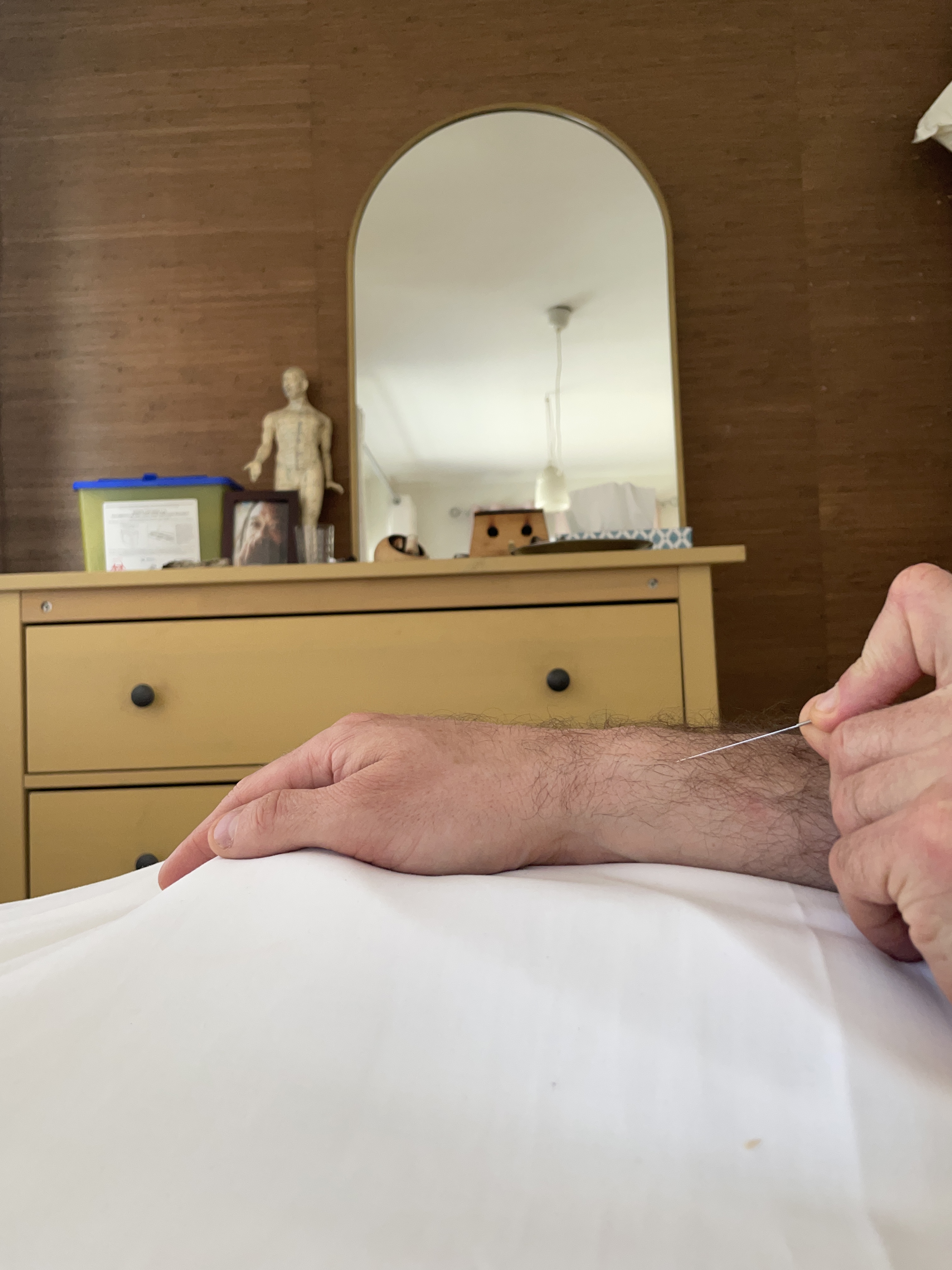
Acupuncture involves inserting very thin sterile needles into the skin to evoke a healing response from the body. Acupuncture developed within Chinese and East Asian Medicine as a full-scope medical treatment, and it continues to be used for a wide range of external and internal conditions
In addition to immediate responses like relaxation or reduction of pain, studies have shown acupuncture to affect many biomedical markers related to immunity, inflammation, metabolic function, neurotransmission, hormone function, and more.
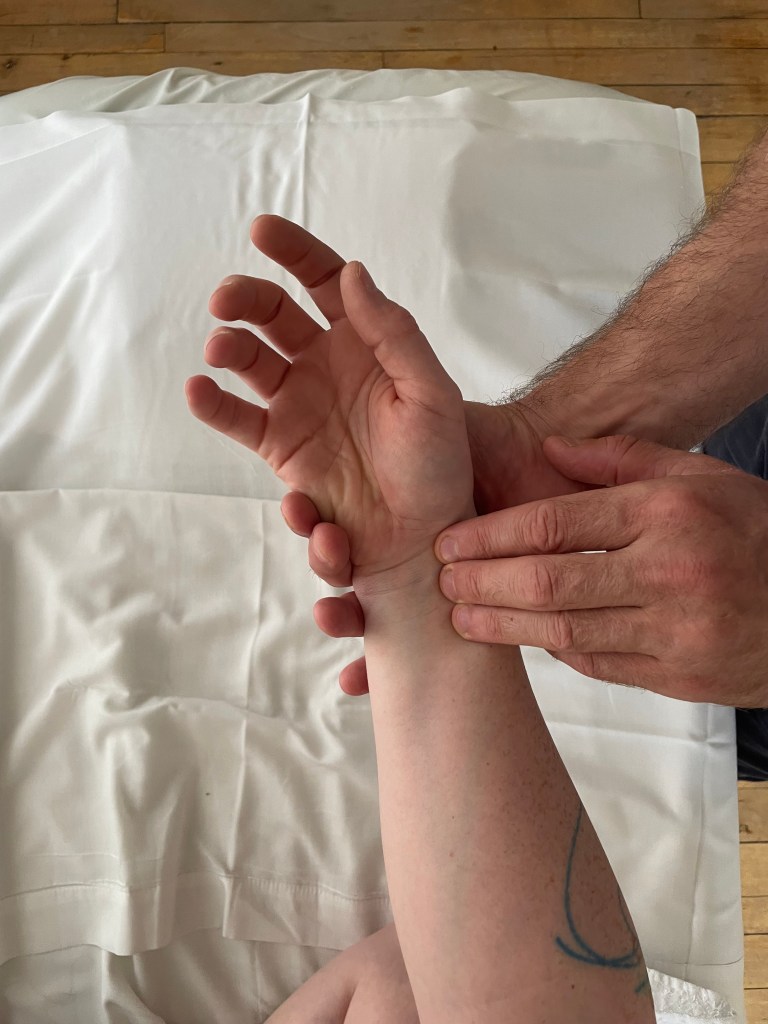
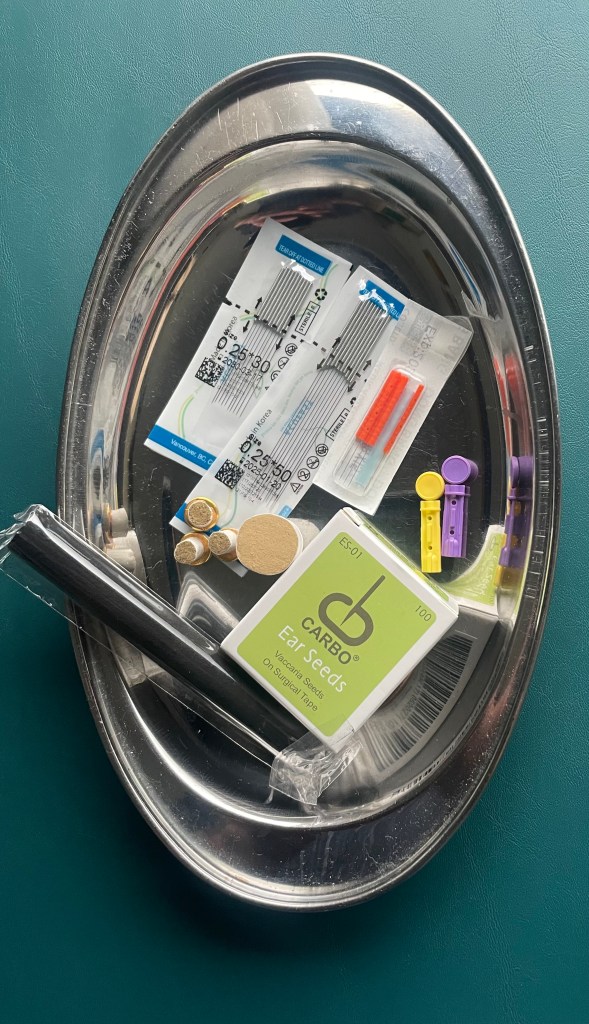
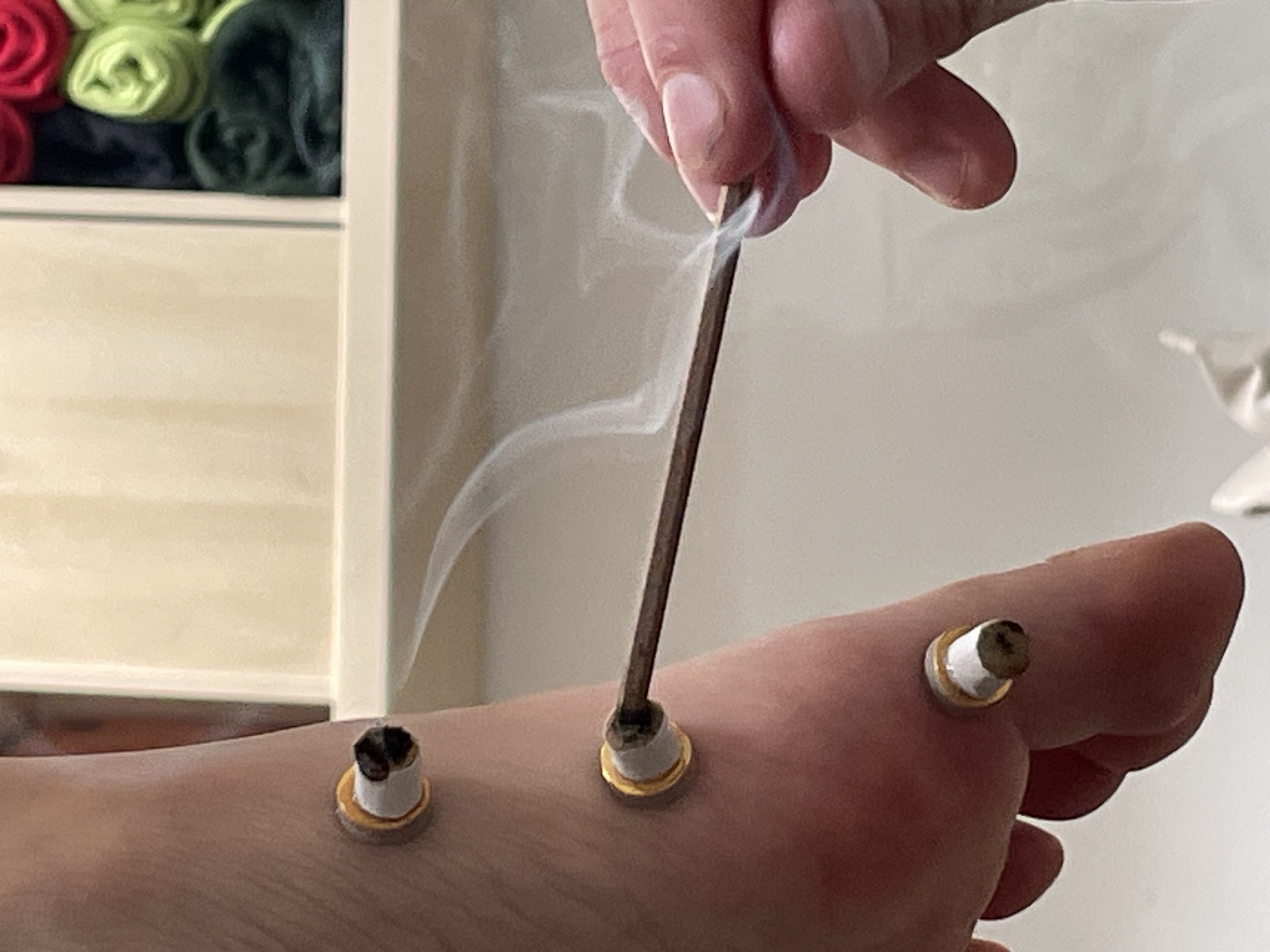
An acupuncture session can also involve other types of treatment. Which ones we use depends on your condition and on your preferences. All of them follow the same understanding and mapping of the body as acupuncture.
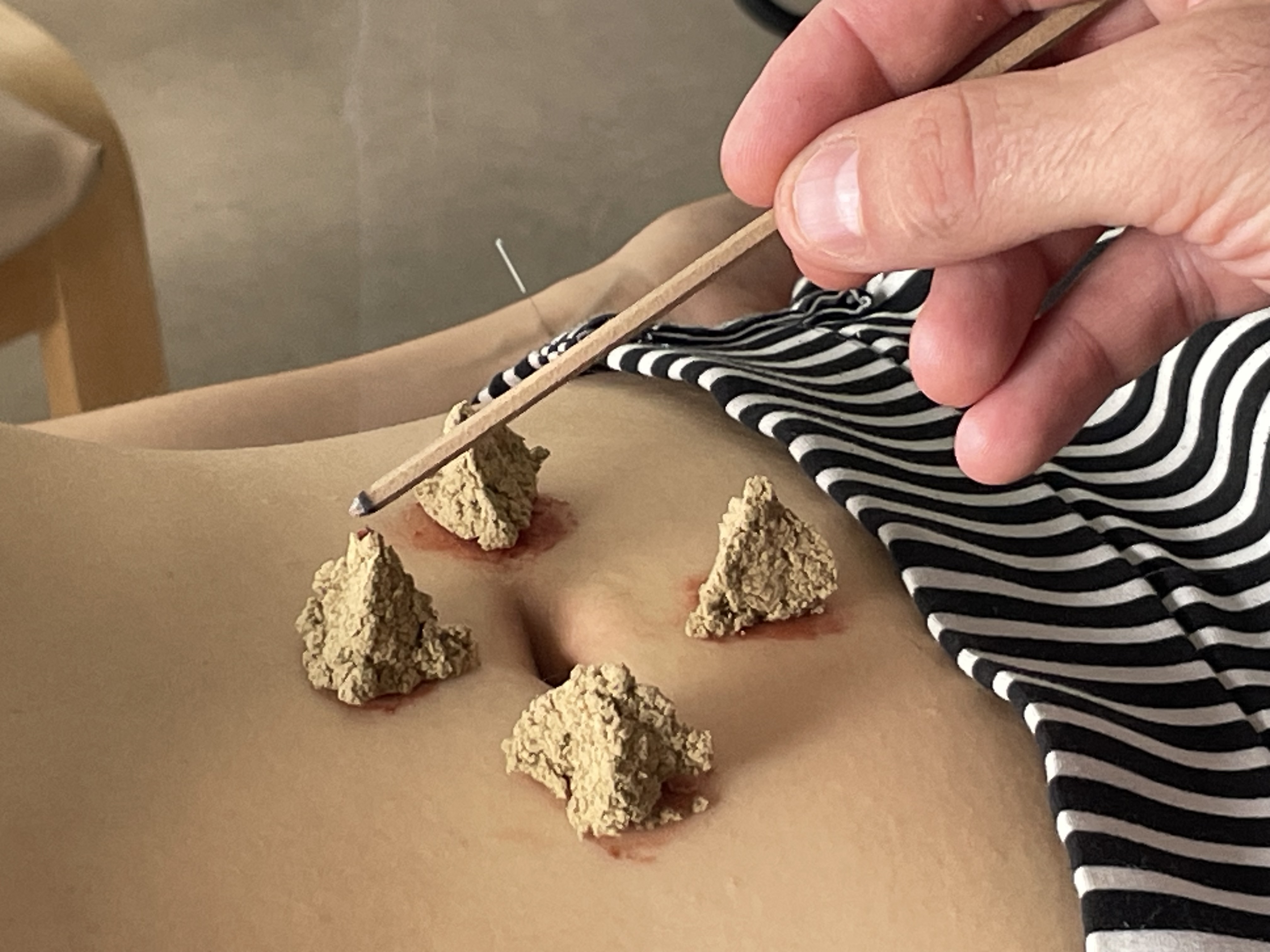
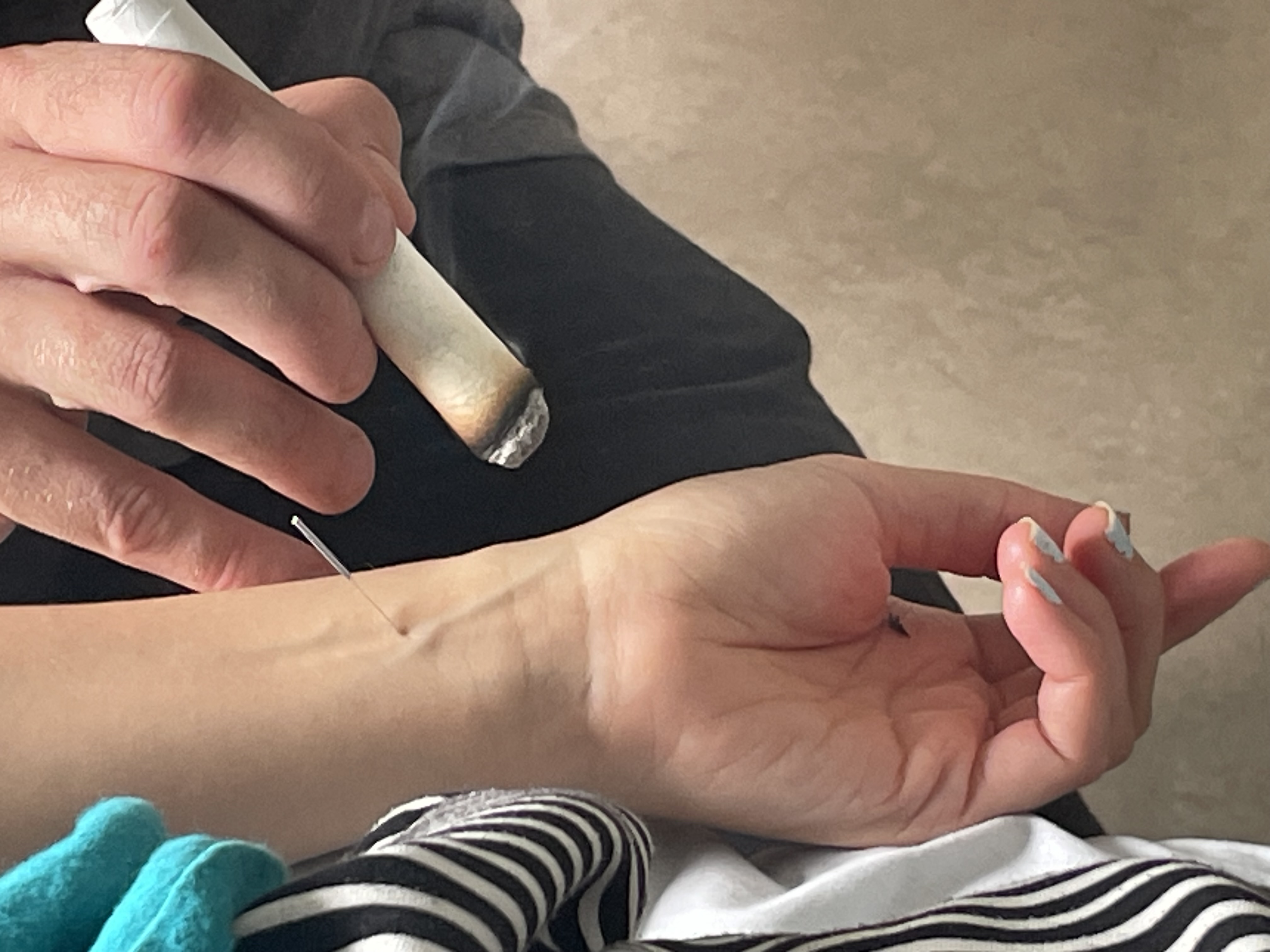
Moxibustion involves burning the herb moxa (mugwort) at specific points in the body. The heat can be held close to the point or applied to a needle. Moxa treatments can be smoky; some patients enjoy this, but for others “smokeless” moxa sticks burn more like incence and are a good option.
Tuina massage uses manipulations and acupressure to free blocked areas and enhance mobility. Cupping and gua sha break up knots and increase bloodflow to tight or blocked tissue. Medical qigong techniques use light touch and hands near the body to regulate body functions.
What can acupuncture treat
Acupuncture can be helpful for a wide range of conditions, from physical injury to internal medicine issues to psycho-emotional conditions. It works well alongside other medical treatments and bodywork.
Musculoskeletal Issues
- acute or chronic pain
- muscle tension and stiffness
- joint issues: shoulders, knees, hips, etc.
- recovery from injury
- performance enhancement
Internal conditions
- digestive issues
- headaches / migraines
- vertigo and dizziness
- respiratory problems
- chronic disease management
- lingering symptoms
- side effects from medical treatments
Psycho-emotional and neurological issues
- anxiety
- depression
- insomnia / disturbed sleep
- anger issues
- brainfog and fatigue
- sympathetic / parasympathetic dysregulation
Support through life transitions
- fertility and perinatal care
- preparation for exams and competitions
- grieving and loss
- life transitions
- menopause / perimenopause
- support for personal and spiritual growth
Ancient and Modern
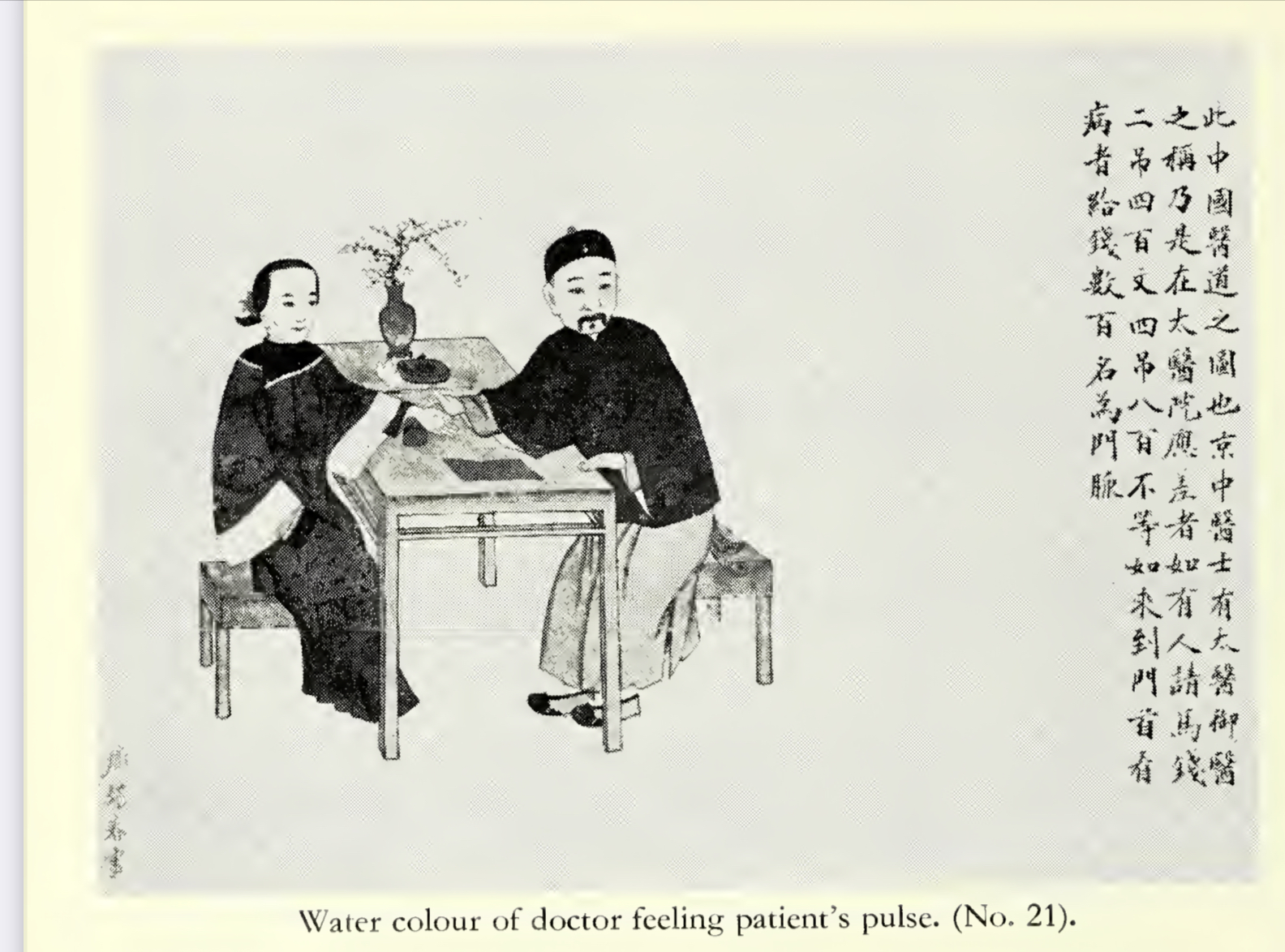
Chinese Medicine goes back over 2,000 years, and throughout its history has gone back to the earliest sources while absorbing contemporary knowledge and trends. Today acupuncturists can draw on the classical theories while also being informed by contemporary biomedical anatomy, physiology, and lab analysis, as well as other traditional and modern forms of body therapy. Acupuncture works well alongside other modalities, and I’m happy to discuss how your acupuncture treatment can complement other treatments, medications, or procedures you may be recieving.
Not sure if acupuncture is for you? Book a free consultation.
Book a free 15-minute phone or video consultation to discuss how acupuncture can help your situation, and what to expect in terms of experience and results.
 Two Lakes Acupuncture & Qigong